
MoMS
Mother’s Micronutrient Supplement for Pregnancy and Lactation
Poor nutrition during pregnancy can have serious consequences for both maternal and child health
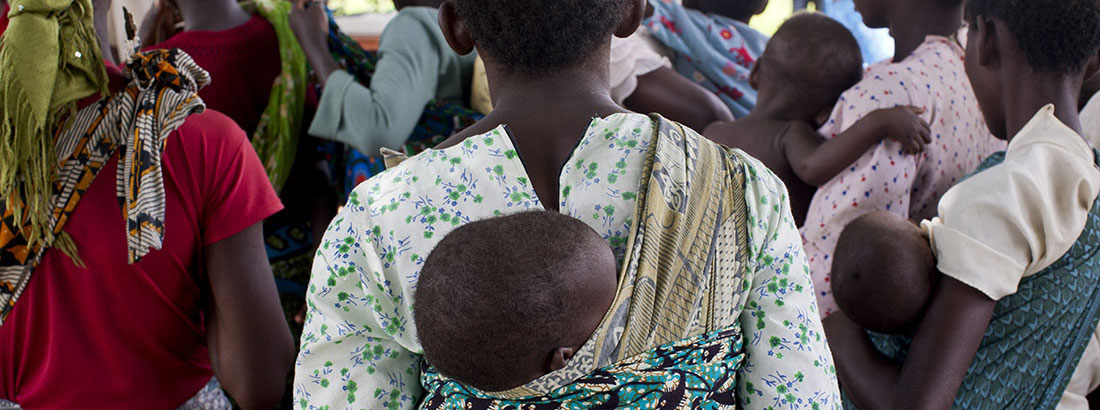
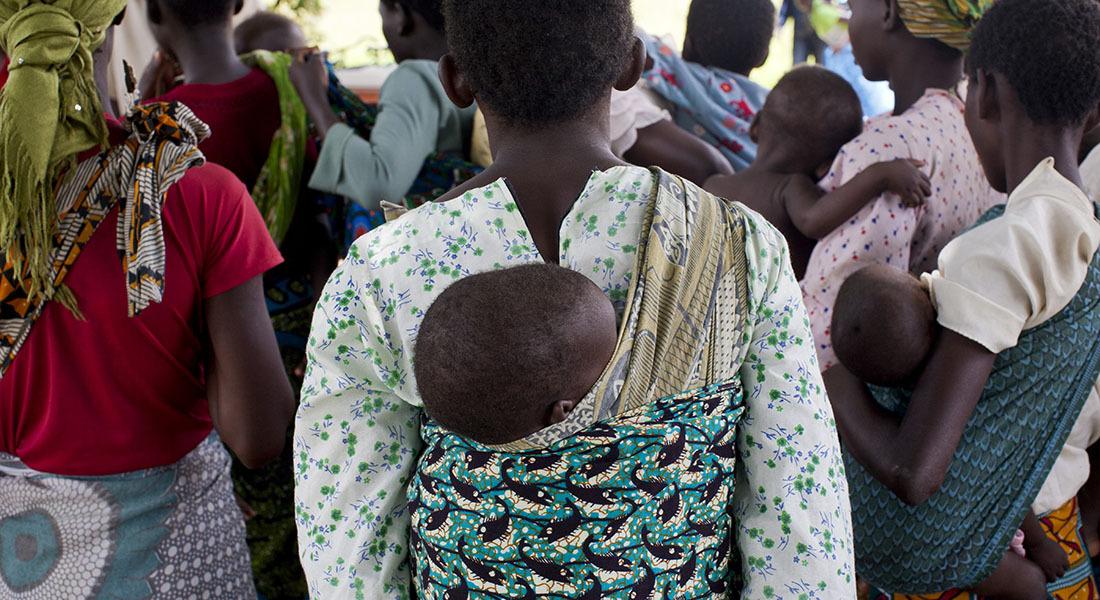
The MoMS research project aims to develop and test a new, improved dietary supplement to enhance growth and cognitive development in children, reduce poor pregnancy and birth outcomes and improve maternal and child health.
Women’s nutrient needs increase during pregnancy. However, in many low and middle-income countries, the available diet does not provide sufficient amounts of essential nutrients. This can lead to preterm birth, low birth weight, impaired growth and cognitive development of the child as well as poor maternal and child health. There is evidence that providing multiple micronutrient supplements (MMS) during pregnancy improves maternal health, birth outcomes and child health. However, the effect has been limited. The reason may be that some of the essential nutrients are not included in the current version of MMS or the doses are too low. Therefore, increased doses of B-vitamins and the inclusion of DHA and choline, which are thought to have a positive effect on children’s growth and cognitive development, has the potential to improve efficacy, which is the reason for the new MoMS project: Mother’s Micronutrient Supplement for Pregnancy and Lactation
The MoMS project will take place in the western part of Kenya in Bungoma County. Food security is low and the diet consists mainly of starchy foods, such as Ugali, made of maize and some vegetables, while the population has a low intake of fish and animal protein.
The project has 3 phases
The first formative phase (~1½ years) includes i) evaluation of dietary intake and nutrition status in the target population, ii) development of MMS supplements and acceptability test to ensure adequate acceptability and compliance, iii) development of the main trial protocol and pilot testing.
The second phase (~3½ years) is a randomized controlled trial (RCT) among 3000 pregnant women which involves collection of a wide range of data and biological samples that will partly be analyzed during the RCT and partly be stored in a research database/biobank for future use.
Phase 3 is establishment of a pregnancy-birth cohort based on the 3000 mother-infant pairs, which can be used in future research to address research questions related to e.g. nutrition, growth, overweight and obesity in mothers and children.
In the main RCT, a total of 3000 pregnant women will be recruited from local communities and health facilities before they reach 20 weeks of pregnancy.
The women will be randomly assigned to one of four groups. Three of these groups (950 women each) will receive different versions of a multiple micronutrient supplement (MMS). Another smaller group of 150 women will receive only iron and folic acid (IFA), which is the standard of care in Kenya. These 150 women and 150 women from each of the other study groups will constitute a mechanistic substudy with more extensive follow-up and tests.
All women will take their assigned supplement every day during pregnancy and for six months after giving birth.
What we’re measuring
Our main focus is on infant weight and brain development at 6 months of age. In addition, we measure pregnancy and birth outcomes, body composition, growth, other neurodevelopmental outcomes, perform blood tests, and assess how infants respond to vaccines.
Expected Application of Results
The proposed RCT will provide causal evidence of the effect of a modified MMS composition for pregnant women that can be generalized beyond the study site. The study will also provide critical knowledge on the relationship between early life exposures, growth, and child development.
Internal researchers
| Name | Title | Phone | |
|---|---|---|---|
| Benedikte Grenov | Associate Professor | +4520456654 |
External researchers
| Name | Institution |
|---|---|
| Zipporah Bukania | Kenya Medical Research Institute, Kenya |
| Prof. Tor Strand | University of Bergen & Innlandet Hospital Trust, Norway |

Contact
Benedikte Grenov
Associate Professor