

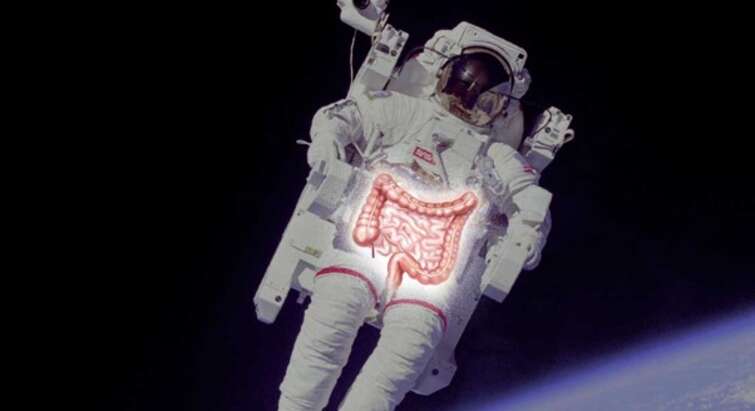
intestinal environment
RESEARCH AREAS
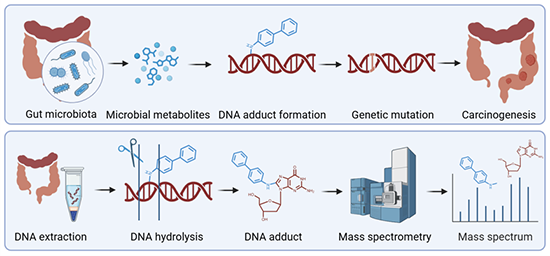
Cancer develops as a result of the accumulation of genetic damage, including DNA adduct formation caused by the chemical interaction of toxic molecules with DNA.
These toxic compounds may come from exogenous sources such as environment, diet and gut microbiota or from our endogenous metabolic processes such as inflammation.
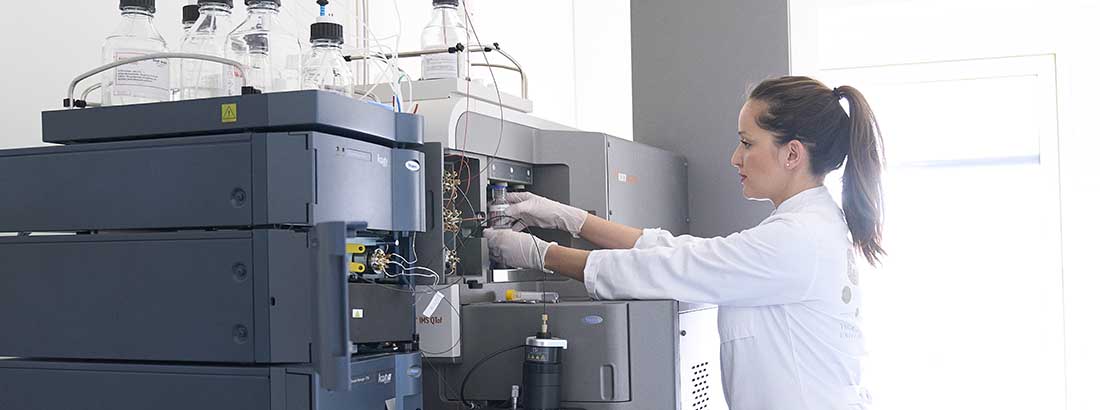
DNA adductomics is a new research field that studies the formation of DNA adducts by using powerful instrumentation such as high-resolution mass spectrometry. The untargeted DNA adductomics approach can provide insights into new, previously unknown causes of DNA damage and cancer initiation, leading to the development of new preventive approaches in the future.
This project aims to develop a high-resolution mass spectrometry-based untargeted DNA adductomics method and a comprehensive database for the identification of DNA adducts in colon tissue.
These tools will be applied to compare DNA adduct profiles in colorectal cancer patients and healthy controls, providing insights into the mechanisms of DNA damage and colorectal carcinogenesis.
Finally, we will investigate whether DNA adducts measured in blood, urine, and faeces reflect those in colon tissue. Establishing reliable, minimally invasive biomarkers could enable earlier disease detection, facilitate large-scale studies, and support the development of improved prevention and diagnostic strategies.
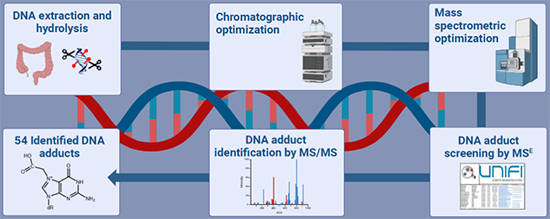
A Comprehensive Database for DNA Adductomics. Giorgia La Barbera, Katrine Dalmo Nommesen, Catalina Cuparencu, Jan Stanstrup and Lars Ove Dragsted Frontiers in Chemistry, Vol. 10, pp. 908572, 2022. doi: 10.3389/fchem.2022.908572.
Development of an untargeted DNA adductomics method by ultra-high performance liquid chromatography coupled to high-resolution mass spectrometry. G. La Barbera, M. S. Shuler, S. Hammershøj Beck, P. H. Ibsen, L. J. Lindberg, J. Gàsdal Karstensen, L. O. Dragsted. Talanta. Vol. 282, pp. 126985, 2024. doi: 10.1016/j.talanta.2024.126985
Marie-Curie Individual Fellowship (Horizon H2020-EU)
Period: May 2019 – September 2021.
Giorgia La Barbera, glb@nexs.ku.dk
Lars Ove Dragsted, ldra@nexs.ku.dk
Colorectal cancer (CRC) is the second leading cause of cancer-related deaths worldwide, yet the molecular mechanisms driving its initiation remain incompletely understood. Trillions of microorganisms in the gut transform dietary components into thousands of metabolites that interact with the colon epithelium and may contribute to DNA damage and cancer development.
This project aims to apply DNA adductomics methodology to colon tissues from CRC patients and individuals at increased risk of CRC to identify DNA adducts associated with microbial metabolites. The findings may provide new insights into CRC mechanisms and support the discovery of novel biomarkers for cancer risk assessment and prevention.
Lars Joachim Lindberg, Associate Professor, consultant, Ph.D. Hvidovre Hospital, Gastro Unit.
John Gásdal Karstensen, Professor, MD, Ph.D. Hvidovre Hospital, Gastro Unit.
Louise Raaby, Hvidovre Hospital, Gastro Unit.
Per Holger Ibsen, Pathologist. Hvidovre Hospital, Pathology Unit.
Martin Frederik Laursen, Associate professor. National Food Institute. Technical University of Denmark (DTU).
Federico Marini, Professor. Sapienza University of Rome.
Independent Research Fund Denmark (DFF) - Sapere Aude Starting Grant
Period: March 2026 – February 2029.
Giorgia La Barbera, glb@nexs.ku.dk
Sarah Winkler, sarah.winkler@nexs.ku.dk
Metabolomics is an analytical approach used to characterize thousands of small molecules in biological samples thus providing holistic insights into metabolic changes associated with health and disease.
Our group develops and applies analytical methods to dietary, clinical, and animal studies to investigate disease mechanisms and identify biomarkers of exposure, risk, diagnosis and prognosis.
A particular strength of our research is the annotation and identification of unknown metabolites in untargeted metabolomics, enabling the discovery of novel biomarkers and metabolic pathways involved in gastrointestinal disorders, cancer, and other diseases.
We also develop and validate advanced targeted mass spectrometry-based methods to address diverse biological research questions. Visit the Metabolomics core facility for more information on the methods already developed.
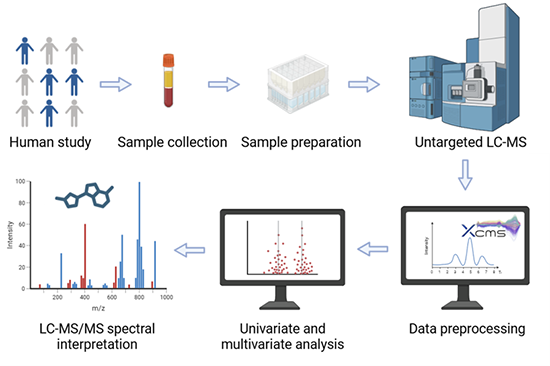
 The I-PROACT project investigates whether supplementation with indole-3-propionic acid (IPA), a gut microbiota-derived metabolite produced from tryptophan, can protect against neurodegeneration, reduce disease activity, and delay cognitive decline in patients with multiple sclerosis.
In collaboration with Glostrup Hospital, our group contributes advanced mass spectrometry-based metabolomics expertise by developing and validating a method for the absolute quantification of IPA and IPA-derived metabolites in blood samples.
We apply this method to assess IPA levels following supplementation in healthy adults and patients with multiple sclerosis, supporting the evaluation of IPA as a potential therapeutic strategy.
Jette Lautrup Battistini Frederiksen, Professor. Rigshospitalet, Department of Neurology.
Lina Moschoula Passal, Postdoc. Rigshospitalet, Department of Neurology.
Independent Research fund Denmark (DFF)
Jasha Fonden
Period: 2024 – 2028.
Giorgia La Barbera, glb@nexs.ku.dk
Henrik Roager, hero@nexs.ku.dk
Spaceomics is a collaborative project with NASA investigating metabolic adaptations during spaceflight. Microgravity can affect gastrointestinal function and metabolism, with potential consequences for astronaut health during long-duration missions.
We characterized the plasma metabolome of 52 astronauts before, during, and after missions aboard the International Space Station using liquid chromatography–mass spectrometry.
Our findings revealed spaceflight-induced metabolic changes consistent with increased protein fermentation by the gut microbiota, potentially resulting from prolonged intestinal transit time.
As microbial proteolytic metabolites can have detrimental effects on host physiology, dietary strategies promoting carbohydrate fermentation may help maintain gut health and reduce health risks during future space exploration.
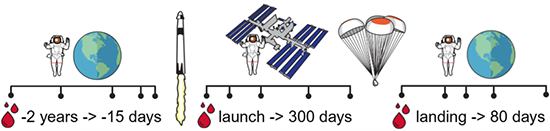
Longitudinal metabolomics profiles reveal increased gut microbial protein fermentation during Spaceflight. G. La Barbera, J. Stanstrup, S. R. Zwart, S. M. Smith, H. M. Roager, L. O. Dragsted. Nature communications. doi: 10.1038/s41467-026-74979-w
National Aeronautics and Space Administration (Nasa)
Period: January 2019 – June 2026.
Giorgia La Barbera, glb@nexs.ku.dk
Lars Ove Dragsted, ldra@nexs.ku.dk
| Name | Title | Phone | |
|---|---|---|---|
| Ann Bech Roskjær | PhD Student | +4535326279 | |
| Giorgia La Barbera | Associate Professor | ||
| Henrik Munch Roager | Associate Professor - Promotion Programme | +4535324928 | |
| Jan Stanstrup | Assistant Professor | +4535332859 | |
| Lars Ove Dragsted | Professor | +4535332694 | |
| Sarah Sophie Winkler | PhD Fellow |