
PhD defence: Seafood Intake, Dietary Patterns and Nutritional Status among Adolescent Girls in Bangladesh
Evidence from Coastal and Inland Regions
Gulshan Ara
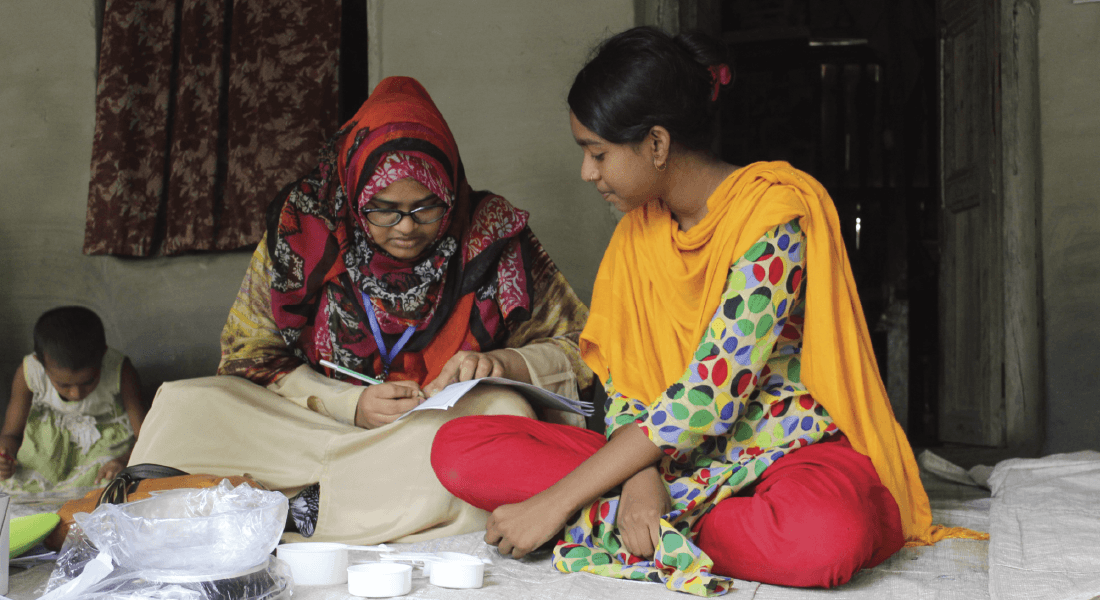
Adolescence is a critical period for growth, development, and future reproductive health, yet adolescent girls in low- and middle-income countries often face persistent nutritional vulnerabilities. In Bangladesh, ecological diversity, seasonal food availability, food insecurity, and unequal access to nutrient-rich foods contribute substantially to malnutrition among adolescent girls, particularly in climate-vulnerable coastal and inland regions.
This PhD thesis investigated the associations between aquatic food environments, dietary patterns, micronutrient status, and nutritional outcomes among adolescent girls and women of reproductive age living in diverse ecological regions of Bangladesh. The research integrated evidence from southern coastal aquaculture zones and northern inland agricultural regions to explore how environmental and socio-behavioural factors shape nutrition and health outcomes.
The findings demonstrated substantial seasonal and ecological variation in micronutrient deficiencies, dietary diversity, and anaemia prevalence. Vitamin D deficiency, iron deficiency, anaemia, and low urinary iodine concentration were highly prevalent among adolescent girls, with marked differences across salinity zones and seasons. Fish intake, including tilapia and small indigenous species, was positively associated with Omega-3 Index and improved vitamin D status, highlighting the nutritional importance of aquatic foods in adolescent diets.
The thesis further showed that adolescent girls in northern inland areas experienced high levels of food insecurity, poor dietary diversity, and undernutrition. Across both ecological settings, inadequate access to micronutrient-rich foods remained a major challenge, particularly among socially and economically vulnerable populations.
Together, these findings provide new evidence on how ecological conditions, seasonal variability, aquatic food systems, and socio-economic factors influence adolescent nutrition in Bangladesh. The thesis highlights the importance of context-specific, nutrition-sensitive interventions and reinforces the potential role of aquatic foods in improving micronutrient status and reducing undernutrition among adolescent girls and women in vulnerable settings.
2026, 201 pages.
Assessment Committee
Associate professor Benedikte Grenov (chair), Department of Nutrition, Exercise and Sports, University of Copenhagen, Denmark.
Professor Elaine Ferguson, PhD, Department of Population Health, Faculty of Epidemiology & Population Health, London School of Hygiene & Tropical Medicine, London, United Kingdom.
Research professor Marian Kjellevold, PhD, Institute of Marine Research (IMR), Bergen, Norway.
Supervisor
Associate professor Nanna Roos, Department of Nutrition, Exercise and Sports, University of Copenhagen, Denmark.
Co-supervisor
Dr. Baukje de Roos, Professor, The Rowett Institute, School of Medicine, Medical Sciences and Nutrition, University of Aberdeen, Aberdeen, United Kingdom.
Place
Frederiksberg Campus, Room: A2.70.04, Thorvaldsensvej 40, 1871 Frederiksberg C
Copy of thesis
Ask for a copy of the thesis here: gara@nexs.ku.dk